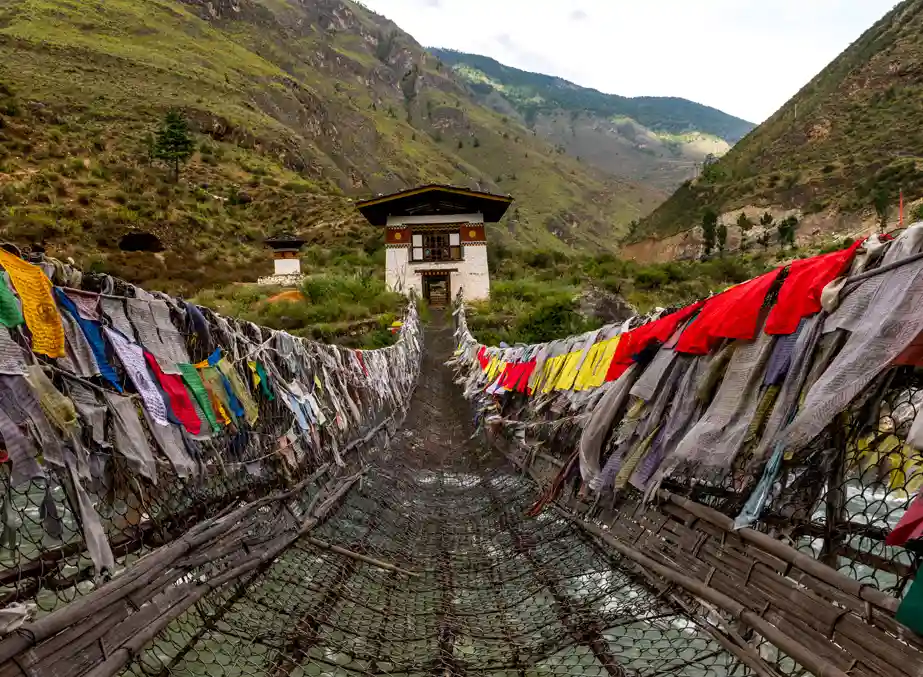
Upper Mustang Trek

Kathmandu, Nepal 18 Days - 17 Nights Group: According To Need
Featured

Trip Description

Upper Mustang, once the Kingdom of Lo, feels like a world shaped by stone, earth, and wind. The landscape becomes stark and desert-like, yet glows with red cliffs, pale hills, and ruined forts perched above deep canyons. Whitewashed homes appear like islands beside irrigated oases of barley and fields of pink buckwheat. This journey follows an ancient trade route along the Kali Gandaki corridor, once used to carry grain north from lower Nepal and salt south from Tibet. Along the way, the trail is marked by chortens, mani walls, remote villages, cliff caves, and monasteries that preserve centuries of Tibetan Himalayan culture. The farther north you walk, the more the world seems stripped to its essentials—vast horizons, quiet moraine valleys, and a profound sense of remoteness.

DAY 1 – Arrival in Kathmandu

On arrival at Tribhuvan International Airport, you are met and transferred to your hotel. Kathmandu sits at around 1,400 meters in a broad valley surrounded by hills, with historic sister cities nearby that form the cultural heart of Nepal. The rest of the day is free to rest, stroll through local neighborhoods, or simply recover from your journey. Overnight in Kathmandu.

DAY 2 – Kathmandu to Pokhara

After breakfast, you travel overland to Pokhara. The scenery slowly shifts from city life to river valleys and rolling hills, and the air feels fresher as you approach the mountains. Pokhara is known for its lakes, calm atmosphere, and wide Himalayan views on clear days. After arrival, transfer to your hotel and enjoy a relaxed evening at your own pace. Overnight in Pokhara.

DAY 3 – Flight to Jomsom and Trek to Chhusang via Kagbeni

After breakfast, transfer to the airport for a short flight to Jomsom. Landing here is dramatic, a small airstrip surrounded by rugged ridges and wind swept valley floors. Jomsom is the administrative center of Mustang, positioned near the Kali Gandaki river, which cuts between Dhaulagiri and Annapurna and forms one of the deepest gorges on Earth. After meeting your trekking team and organizing equipment, you begin the walk toward Kagbeni, following the river on an open, arid trail of sand and stone. Peaks such as Dhaulagiri, Tukuche, and Nilgiri rise sharply, while the Annapurna range stretches across the southern horizon. Kagbeni, with its narrow alleys, irrigation channels, barley fields, and striking red gompa, offers a first glimpse of the architecture and rhythm of Mustang. After completing local entry formalities, you continue onward to Chhusang. Overnight in a lodge in Chhusang.

DAY 4 – Chhusang to Samar via Chele

After breakfast, the trek leaves the wider river corridor and begins climbing into more dramatic terrain. Mule caravans often pass along this route, echoing the trade networks that shaped Mustang for centuries. Along the western bank you may notice caves in the cliffs and the presence of older monastic sites. The landscape becomes increasingly distinctive, with the first chortens in the traditional Mustang colors appearing along the trail. You reach Chele after a steep ascent through rock corridors and narrow canyon paths. From here, the route climbs again to a high point before easing into Samar, a settlement shaded by poplars and long used as a resting point for horse and mule caravans. Overnight in a lodge in Samar.

DAY 5 – Samar to Ghiling

You climb above Samar to a ridge and descend into a gorge marked by chortens and juniper growth. The trail crosses a stream and rises to a pass before dropping toward Shyangmochen, a small hamlet where the vastness of the landscape begins to feel truly remote. Nearby, a sacred cave site holds natural formations revered by locals, adding a quiet spiritual layer to the day. The path then continues through wide open valleys before reaching Ghiling, where barley fields spread out below clusters of white and ochre houses built from stone and mud. The southern skyline remains dominated by Nilgiri, its presence constant and imposing. Overnight in a lodge in Ghiling.

DAY 6 – Ghiling to Dhakmar

Leaving Ghiling, you walk through cultivated land toward the heart of the valley, passing an imposing chorten before beginning the climb to Nyi La. From the pass, the views open wide, with layered ridges and wind carved hills stretching in all directions. The descent is gentler, and the trail leads toward Dhakmar, a village set beneath striking red cliffs that seem to burn in the afternoon light. The surrounding rock formations feel almost unreal, sculpted by erosion into sharp edges and soft curves. Overnight in a lodge in Dhakmar.

DAY 7 – Dhakmar to Lo Manthang

Today brings one of the most memorable approaches of the trek. The trail crosses high points and ridgelines, moving steadily toward the old capital of the Kingdom of Lo. A large isolated chorten marks the transition into the Lo Manthang area, and soon the first view appears, a walled city rising from the plateau like a mirage. You circle the outer walls to reach the entrance gate, stepping into a place that feels preserved in time. Overnight in a lodge in Lo Manthang.

DAY 8 – Exploring Lo Manthang

A full day is dedicated to discovering Lo Manthang. Behind its walls lie narrow lanes, traditional homes, and an atmosphere shaped by Tibetan Buddhist culture. The city has major temples where ancient murals and mandalas still fill dim interiors, and a large clay Buddha statue sits in quiet grandeur within one of the most important monasteries. The royal palace stands at the center, a powerful symbol of the city’s identity. Even today, the royal presence remains deeply respected by local communities. Overnight in a lodge in Lo Manthang.

DAY 9 – Day Walk to Choser and the Sky Caves

Today you venture beyond the city to explore the mysteries of the Upper Mustang landscape. A walk toward Choser leads to the famous multi level cliff caves, often called the Sky Caves. Built into sheer rock faces, these chambers raise questions that historians still debate. Over time they may have served as burial sites, shelters, meditation spaces, and even monasteries. You explore selected sections and absorb the silence of the surrounding lunar like terrain before returning to Lo Manthang. Overnight in a lodge in Lo Manthang.

DAY 10 – Lo Manthang at Leisure

This day allows deeper exploration at your own pace, whether revisiting temples, walking through surrounding valleys, or simply observing daily life within the walls. The stillness, the high altitude light, and the sense of isolation create a rare atmosphere that stays with you long after you leave. Overnight in a lodge in Lo Manthang.

DAY 11 – Lo Manthang to Luri Gompa

You trek toward Luri Gompa, one of the most remarkable cave monasteries in Upper Mustang, built into a dramatic cliff near the village of Ghara. Reaching it requires a steep climb, but the reward is extraordinary. Inside, centuries old murals cover walls and ceilings, creating an intense, almost intimate experience of Himalayan sacred art. The monastery’s stupa and iconography reflect deep spiritual symbolism, and the setting itself, suspended above the valley, adds to the feeling of quiet reverence. Overnight near Luri Gompa in a lodge.

DAY 12 – Luri Gompa to Tangge

The trail continues through a stark, sculpted landscape of cliffs, canyons, chortens, and ancient ruins. The walking is steady and immersive, with long stretches of open terrain that emphasize the remoteness of Mustang. Tangge appears as an isolated settlement with a strong Tibetan cultural imprint and distinctive stone and mud architecture. Life here remains largely based on subsistence farming and animal husbandry, and the connection between people, land, and tradition feels especially strong. Overnight in a lodge in Tangge.

DAY 13 – Tangge to Chhusang

You retrace your route southward, crossing high ground and returning through desert like stretches dotted with thorny shrubs and small streams. The openness of the landscape offers sweeping mountain views and a sense of scale that is difficult to describe until you are inside it. You eventually reach the Kali Gandaki corridor again and arrive back in Chhusang. Overnight in a lodge in Chhusang.

DAY 14 – Chhusang to Muktinath

The final trekking stage leads toward Muktinath, sacred to both Hindus and Buddhists. The trail is demanding, rising through rugged terrain before crossing a high pass and descending toward settlements and monastery sites. The approach reveals changing scenery, with traditional villages, chortens, and a growing sense of pilgrimage as you near your destination. Muktinath sits high in the mountains, and arriving here feels significant, not only for the views but also for the atmosphere of devotion that surrounds the temple complex. Overnight in a lodge in Muktinath.

DAY 15 – Muktinath to Jomsom via Kagbeni

A long final day of walking brings you back toward Jomsom, passing through Kagbeni once again before following familiar trails to the valley’s wider paths. Returning to Jomsom feels like closing a circle, and the comfort of a hot shower and a final evening with your trekking team is especially welcome after weeks on the trail. Overnight in a lodge in Jomsom.

DAY 16 – Flight to Pokhara

You take a morning flight along the Kali Gandaki gorge back to Pokhara, watching the landscape unfold beneath you one last time. After arrival, transfer to your hotel and enjoy a free afternoon for lakeside walks and relaxation. Overnight in Pokhara.

DAY 17 – Pokhara to Kathmandu

After breakfast, you fly back to Kathmandu. The rest of the day is free for final shopping, café time, or a last walk through the old city. Overnight in Kathmandu.

DAY 18 – Departure

At the appropriate time, transfer to the airport for your international departure, leaving with unforgettable memories of wind shaped valleys, cliff monasteries, ancient trade routes, and the timeless world of the Upper Mustang.

Accommodation in Nepal offers a beautiful blend of cultural charm, mountain serenity, and warm hospitality. From elegant boutique hotels in historic cities to peaceful lodges surrounded by Himalayan landscapes, each stay adds a unique dimension to the journey.

SkyZeg Selection
At SkyZeg, we carefully select properties that combine comfort, character, and thoughtful service. Every hotel is chosen for its location, atmosphere, and reliability to complement the experiences included in your itinerary.

🏙 City Hotels

In cities such as Kathmandu and Pokhara, travelers may stay in boutique hotels, heritage style properties, or modern hotels located near cultural landmarks and lively neighborhoods.

🏔 Mountain Lodges

Beyond the cities, peaceful mountain lodges and countryside retreats provide fresh air and beautiful views of valleys, forests, and distant Himalayan peaks.

Service in Nepalese hotels is typically warm and personal, reflecting the country’s long tradition of welcoming travelers from around the world. Many properties also offer a mix of Nepali and international cuisine.

✔ Accommodation Details
All accommodations included in your itinerary are carefully reviewed for comfort, service quality, and location. Rooms are arranged on a double occupancy basis with daily breakfast included.

Your final hotel selection will be shared in your detailed travel proposal so you can review each property before confirming your journey.

✨ Personalized Stay
If you have a particular preference — whether luxury mountain retreats, boutique heritage hotels, or charming lodges — our team will be happy to tailor the accommodation to suit your travel style.

Each SkyZeg journey to Nepal is designed around your travel plans, preferred accommodation, and the experiences you would like to include. Once your itinerary is finalized, our team will share a detailed proposal outlining all services and pricing.

Below is a general overview of what is typically included and not included in the trip cost.

✔ Included in the Price
✈ 24/7 assistance from our travel experts before and throughout your journey.
🧭 English-speaking local guides for sightseeing visits and cultural experiences mentioned in your itinerary.
🚘 Private vehicle with professional driver for transfers and travel between destinations.
⛽ Comfortable vehicles including petrol, road taxes, parking, insurance, and driver expenses.
🏨 Accommodation in selected hotels or lodges based on double occupancy.
🍽 Daily breakfast at the hotel.
✈ Domestic flights within Nepal when mentioned in the itinerary.
📄 Government taxes and service charges applicable at the time of booking.
✖ Not Included in the Price
✈ International flights and airport taxes
🪪 Visa fees and banking charges
🧳 Additional baggage charges according to airline policies
💰 Tips and gratuities for guides, drivers, and service staff
🍴 Meals not mentioned in the itinerary
🛍 Drinks and personal expenses including shopping and optional activities
🏛 Entrance fees unless specified
🛡 Travel insurance
⚠ Any service not specifically listed under Included in the Price.
🌤 Best Time to Travel

Nepal can be visited throughout the year, but the most pleasant seasons are autumn and spring.

Autumn (October – November) offers clear skies, spectacular mountain views, and comfortable weather.

Spring (March – May) brings blooming rhododendron forests and lively trekking routes.

Winter (December – February) brings cooler mountain temperatures, though Kathmandu and Pokhara remain pleasant.

Monsoon (June – September) brings lush landscapes but can make travel and trekking more challenging.

🚗 Getting Around

Nepal’s landscapes are dramatic and mountainous, making travel part of the adventure.

Most journeys between cities and valleys are done by road or domestic flights.

Flights often connect Kathmandu, Pokhara, and mountain regions with spectacular Himalayan views.

Road travel connects most towns and villages, though mountain routes can increase travel time.

💰 Currency and Payments

The currency of Nepal is the Nepalese Rupee (NPR).

Cash remains the most common way to pay for everyday purchases, especially in smaller towns and trekking areas.

ATMs are available in major cities such as Kathmandu and Pokhara.

Many hotels, restaurants, and travel services accept major credit cards like Visa and MasterCard.

🏔 Health and Altitude

Nepal’s altitude varies greatly, especially in trekking regions.

Travelers heading to higher elevations should acclimatize gradually and drink plenty of water.

Medical facilities are available in major cities, though remote mountain areas may have limited services.

Bottled or purified water should be used for drinking during your journey.

🌐 Language and Communication

The official language of Nepal is Nepali, though many ethnic languages are spoken across the country.

English is widely understood in tourist areas, hotels, restaurants, and trekking regions.

Mobile networks cover most towns and cities.

Wi-Fi is available in many hotels, cafés, and guesthouses.

🍲 Food and Dining

Nepali cuisine is simple, nourishing, and influenced by regional traditions.

A common meal is dal bhat — rice, lentils, vegetables, and sometimes meat.

International restaurants and cafés are also widely available in cities and popular travel areas.

Tea houses along trekking routes offer warm meals and drinks.

🎒 What to Pack

Packing for Nepal depends on the regions you plan to visit.

Light and comfortable clothing is suitable for cities and valleys.

For trekking regions, layered clothing is essential.

A warm jacket, comfortable walking shoes, sun protection, and a scarf are recommended.

Even during warm seasons, evenings in the mountains can feel cool.

Start Planning Your Journey
Departure Month

January 2026

Duration

18 Days / 17 Nights

Group Size

According To Need

Location

Kathmandu, Nepal

€0/-

Per Person
Included in Your Trip:
  • All necessary arrangements
  • Support throughout your journey
  • Essential travel services
  • Assistance for smooth planning
Full View

Each destination has its own charm and story. We've selected not only the best places to visit but also hand-picked hotels to ensure your comfort. We also offer options based on your budget and travel style.